Introduction
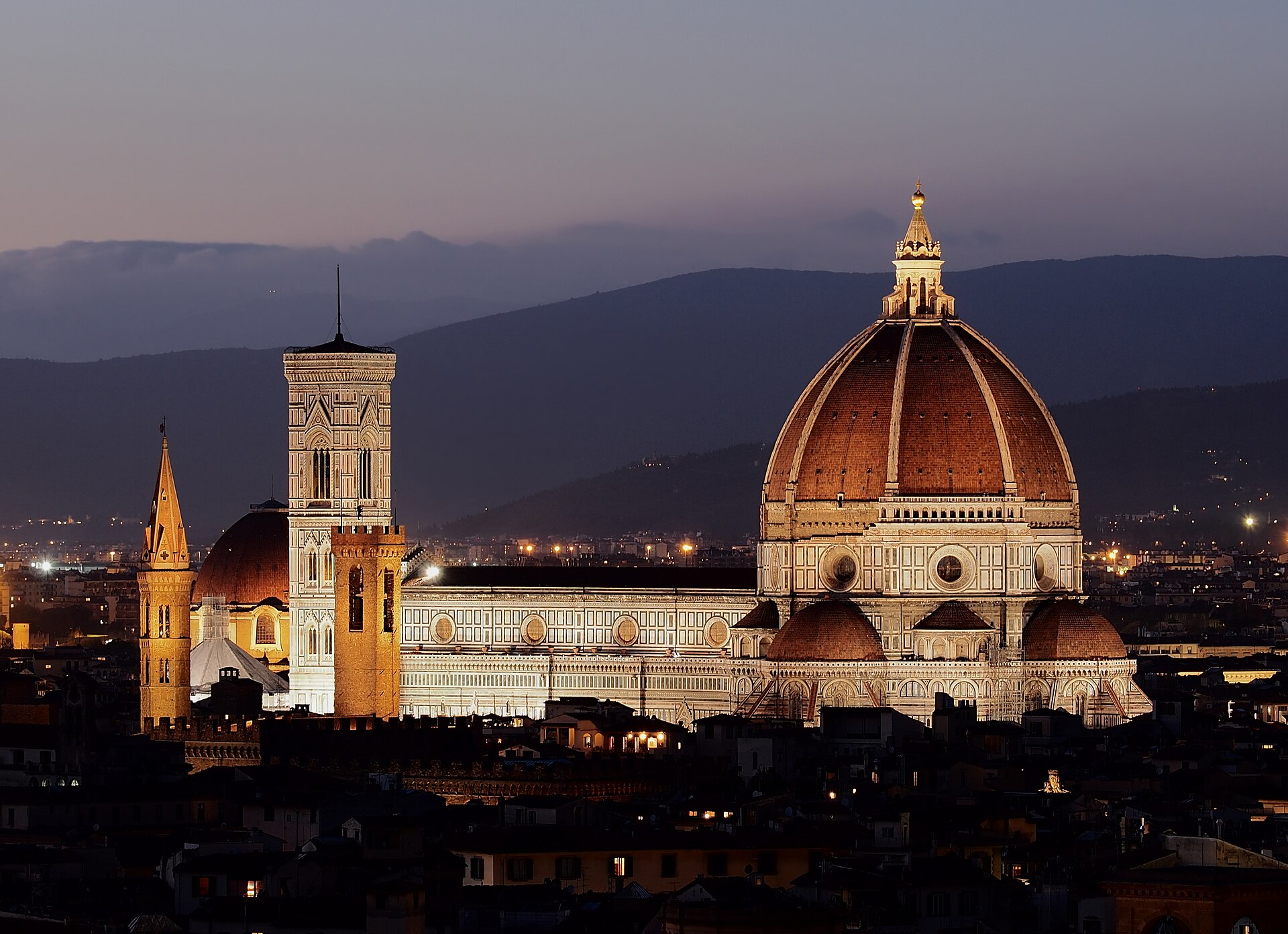
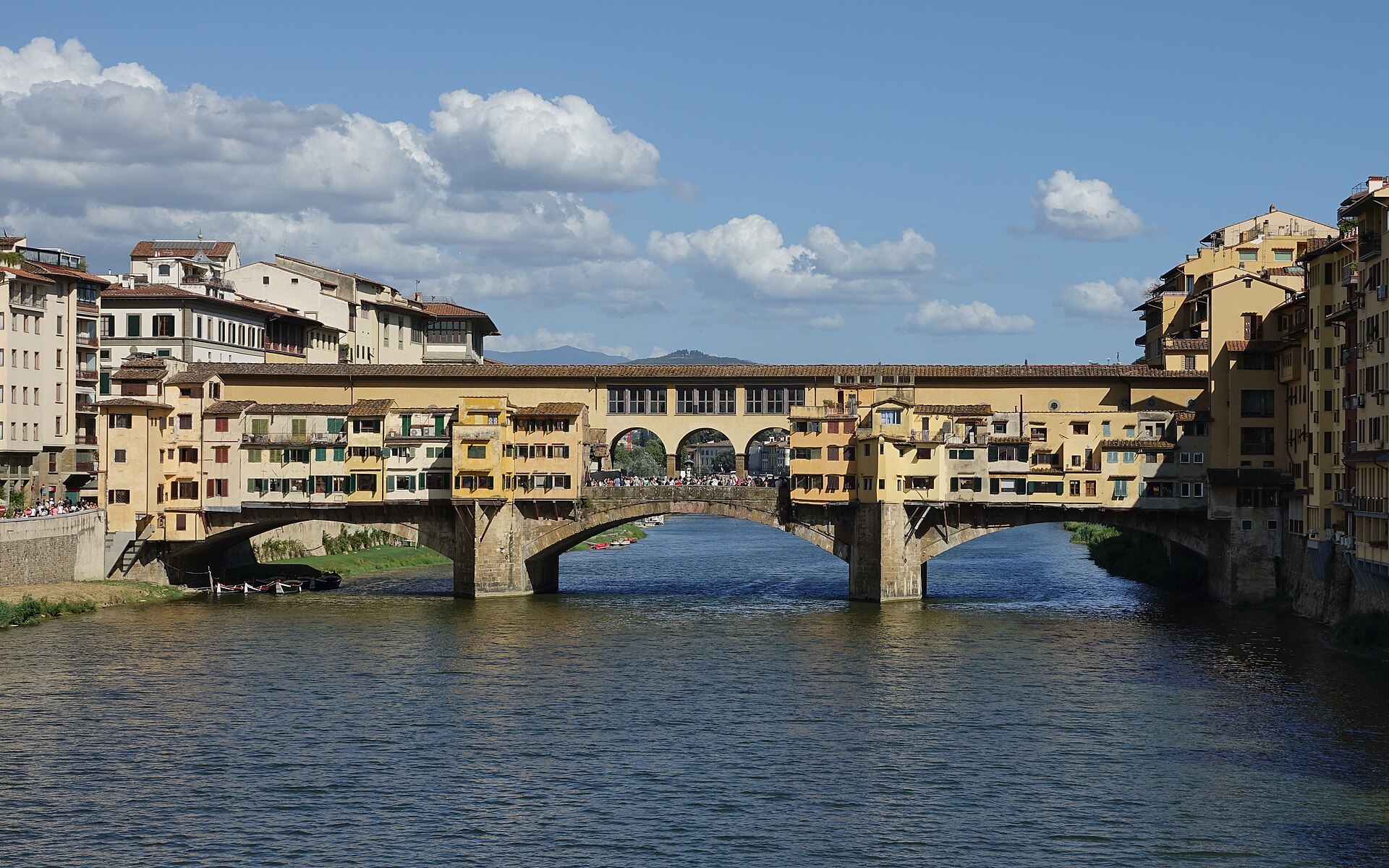
Florence packs extraordinary Renaissance art and architecture into a compact, walkable centre: Brunelleschi's dome over the cathedral, the Uffizi Gallery, Michelangelo's David at the Accademia, and the shop-lined Ponte Vecchio over the Arno. Its historic centre is listed by UNESCO, and the hills and vineyards of Tuscany begin just outside the city.
Travel highlights
- The Duomo, Brunelleschi's dome, and Giotto's bell tower
- The Uffizi Gallery and Michelangelo's David at the Accademia
- The Ponte Vecchio and the Oltrarno's artisan workshops
- The Historic Centre of Florence, a UNESCO World Heritage Site
Local experiences
Climb the dome
Brunelleschi's dome by reservation, with views over the city.
Uffizi and Accademia
Botticelli, Leonardo, and David — timed tickets are strongly recommended.
Piazzale Michelangelo
Sunset over the city from the hill across the river.
Chianti or Siena day trip
Vineyards and hill towns roughly an hour away.
Where to stay in Florence
Duomo & Centro Storico
Steps from the main sights; busy and often pricier.
Santa Croce
Lively squares, restaurants, and nightlife east of the centre.
Oltrarno
Across the river: workshops, Santo Spirito, and the Pitti Palace; more local.
Santa Maria Novella
Near the main station; convenient for day trips.
Good to know before you go
- The centre is crowded much of the year.
- Major museums need advance booking.
- Summers are hot, with little shade in the stone streets.